From AI Skeptic to AI Receptive: A Teacher’s Journey
AI is destroying the Earth!
That’s essentially what I felt when I signed up for a professional development AI inquiry cycle offered by Lead by Learning.
However, I am also an educator.
I’m interested in how to best use technology to support my students’ learning. AI technology is going to be integrated into our lives whether we like it or not. I figured I should at least become more informed about the pros and cons of how AI is being used in education spaces.
Prior to attending Lead by Learning’s AI Together Community of Practice, I used AI in one way to support my teaching. I used Gemini to generate content-specific chants for our students to use when we introduced new concepts, such as the life cycle of a plant, to the tune of a song from the Disney film, The Sword In the Stone, called the FOSS Plant Chant. This experience was generally positive. I am no wizard at developing lyrics to chants, but with some slight modifications, the chants were instantly teachable and enjoyable. I heard students singing them even when no instruction was taking place. That was exciting for me to witness! Knowing that my students had gained new academic vocabulary definitely helped validate the suggestion educators received from our Oakland Unified School District literacy coaches that AI can be useful for teachers. But I still had, and currently hold, some reservations about the technology.
During the Lead by Learning AI Together Community of Practice, we were asked to think about a question or problem we were hoping AI could help us solve. After conversations with the Lead By Learning facilitators and fellow educators in the group, I decided to try to develop a science project for my first graders that they could share with their families at our science fair. I had sample lessons provided by our FOSS science curriculum, but the lessons provided were going to take more time than I had anticipated, and the science fair was just two weeks away. I turned to Gemini for support.
My prompt was, “Create a science project for a first-grade science fair using California core standards pertaining to the needs of a plant.” The science project that it generated was very similar to the ones in the curriculum, but it felt more streamlined. It provided
- The details I would need to teach the series of lessons,
- The materials needed, and
- The time it would take the students to complete the experiments.
After reviewing the science project and comparing it against the lessons I had already planned to teach, I decided it was sufficient for their learning needs, and I went with the Gemini lesson plan. I learned from our inquiry sessions that it is important not to rely on AI to create lesson plans from scratch. The teacher needs knowledge of the content area and the California Common Core Standards that the students are expected to learn. Having taught this FOSS series before, I knew that the students were expected to learn what plants require to grow (light, soil, water, air) and that the intention of the curriculum-embedded science project was for students to discover through inquiry. The AI lesson fulfilled these requirements. It was a successful project for students, and their parents also seemed pleased with our results.
While the experience was positive, it wasn’t the “aha moment” that I had hoped. I am glad it went well, and it did save me time from trying to modify the curriculum on my own, but I still wasn’t “wowed” by the technology.
For me, the real shift in my beliefs about AI came from the discussions I held with other educators about how they were using AI to support their schools, not the technology itself. These educators varied in their roles: classroom teachers, librarians, technology leads, career technical educators, and elementary and secondary. Each of them was using AI in a different way:
- A high school teacher who teaches coding and allows students to use AI, but then the students are responsible for explaining how the code actually works.
- A technology lead who writes fanfiction as a hobby feeds the content to AI, prompting it to generate a podcast where the artificial hosts discuss her fiction.
- A high school coach used AI to sift through her emails for summer opportunities that her students could take advantage of once they had graduated, including summer internships.
As we shared use cases and learned from each other during our Community of Practice, we also raised important points around privacy concerns with our emails and the implications of crossing certain lines until we understand more about granting AI access. These security concerns are particularly important for us as educators because we are not only dealing with our own privacy, but the privacy of our students. We have an obligation to protect their personal information and academic records.
At the end of the experience, I learned from others to dream bigger when it comes to my application of AI in my classroom. The huge amount of energy required to power this technology, and the very real social and economic impact it is taking on the world, still causes me concern. Regardless, I am glad I signed up for this Community of Practice and inquiry cycle. Inquiry cycles provide space for me to share my thoughts and feelings with fellow educators and get instant feedback on those ideas. Typically, at my school site, we do not make space to share about new technology, specifically AI, so the inquiry cycle was priceless.
There is no denying that AI will directly impact my job as an educator, and I prefer to remain informed. The AI Together Community of Practice shifted my attitude around AI from being almost completely negative to being open and curious about using AI to aid my teaching practices.
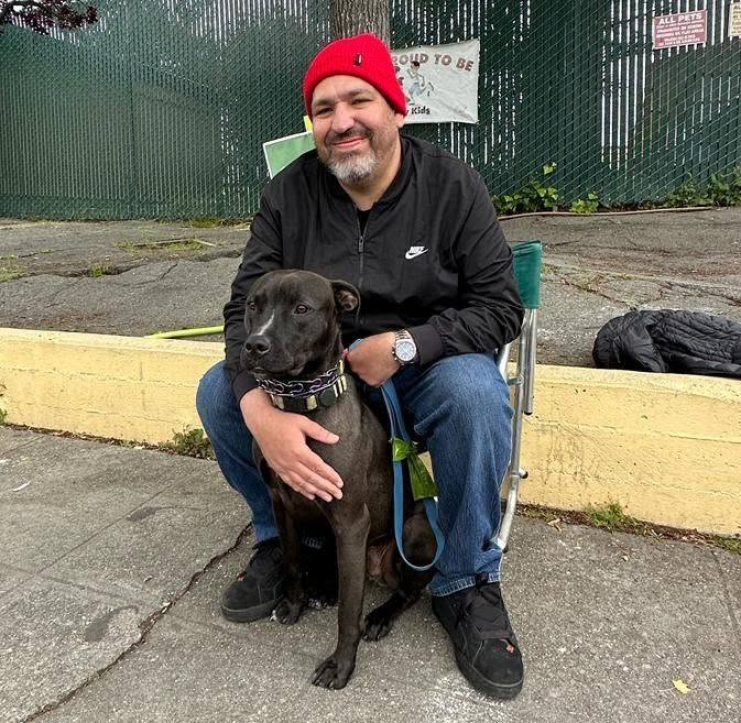
 Steven Marney has been teaching first grade in the Oakland Unified School District for 8 years, with a focus on bilingual education. On his off time, he enjoys yoga, hiking, and creative writing as an outlet for expression. Steven grew up in Los Angeles but moved to the Bay Area 8 years ago to pursue teaching opportunities unique to Oakland and enjoy the wonderful weather.
Interested in partnering with Lead by Learning to build the schools students need? Connect with a member of our team to learn more about our range of partnerships designed to reach your goals for student and adult learning.